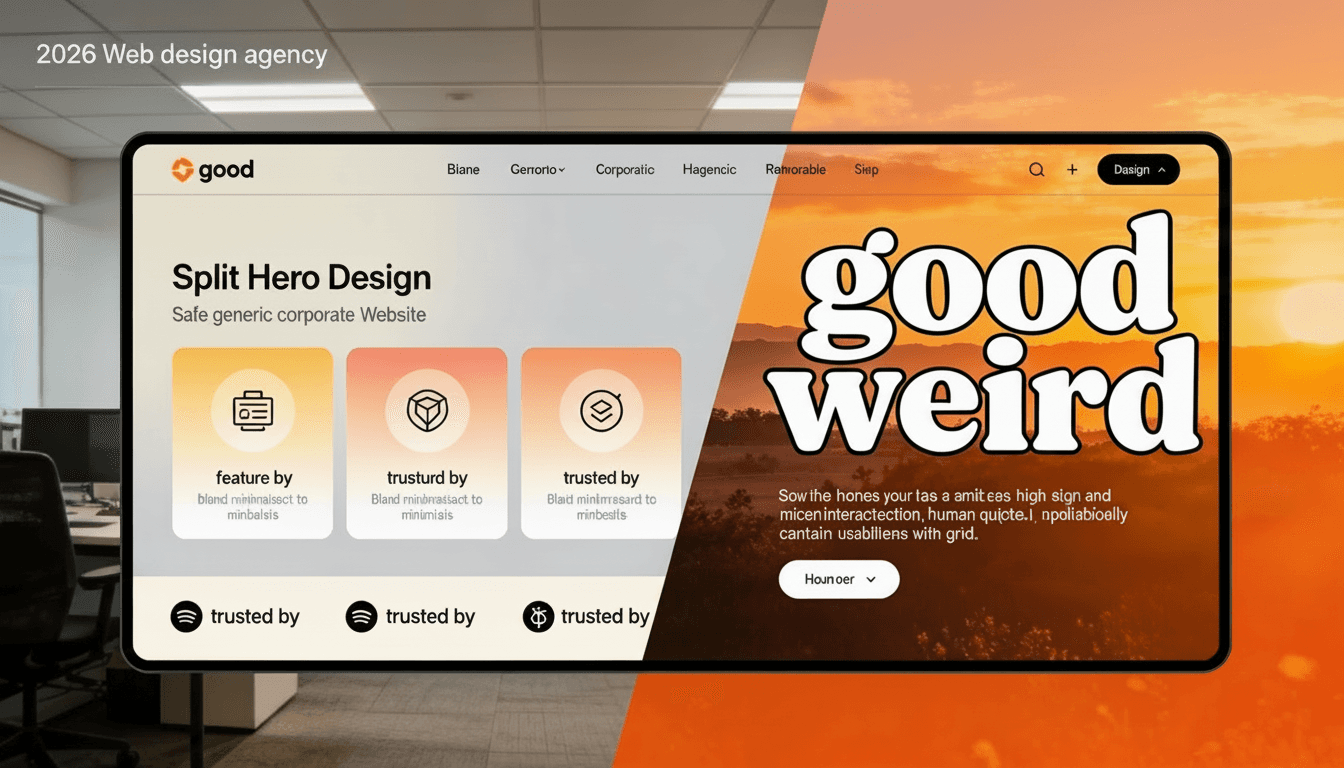
While you've been maintaining a website, your competitors have been iterating. They optimized for AI search. They rebuilt their mobile experience. They're getting cited by ChatGPT when potential customers ask for recommendations in your industry. The gap between a site that's current and one that's 18 months old is bigger than it's ever been. Technology moves faster now. User expectations shift more quickly. What worked last year doesn't just feel dated; it actively costs you business.
Traditional SEO optimized for Google's algorithm. You targeted keywords, built backlinks, and structured content for search engines. AI search works differently. ChatGPT, Perplexity, Google's AI Overviews—they don't rank pages. They cite sources they trust and synthesize answers. If your site isn't structured for AI to extract and cite your content, you're not in the conversation.
The fix: structured data, clear schema markup, and content written to be citation-worthy.
Years ago "mobile-first" meant that your site was optimized for phones. In 2025, it means understanding how people actually use them. Users scan, they don't read. They expect instant answers. They abandon sites that don't load in under two seconds.
Your older site probably has:
Result? High bounce rates. Traffic that doesn't convert. You're missing the platforms where your customers actually are.
Most businesses focus on desktop and mobile web. In 2025, your customers are asking AI assistants for recommendations, searching on TikTok and Instagram, and expecting seamless experiences across platforms you might not even be on.
If your website isn't optimized to be discovered and recommended by AI platforms, you're missing the fastest-growing search channel. And if your brand presence stops at your website, you're invisible to entire segments of your audience.
While you've been maintaining a website, competitors optimized for AI search, rebuilt mobile experiences, and are getting cited when potential customers ask for recommendations. The gap between current and an 18-month-old is bigger than it's ever been.
Audit for AI:
Fix mobile:
Update content:
Your aging website isn't failing because you built it wrong. It's failing because the landscape changed, and the site didn't. AI search, mobile behavior, and user expectations—they evolved faster than most businesses kept pace.
The good news? Most of this is fixable without a full rebuild, but it requires acknowledging that what worked 18 months ago isn't working now, and doing something about it.